Outdoor spaces are constantly exposed to the elements, so it’s essential to protect them, especially areas used for living and entertaining. Rain and moisture can damage furnishings, electronics, and structures if not properly managed. Installing gutters, drainage systems, and waterproofing materials can help prevent costly issues.
Waterproof vs. Water-Resistant
Not all materials are created equal. “Waterproof” means completely impenetrable, while “water-resistant” materials still absorb some moisture. Understanding this difference is crucial when selecting products.
Choosing Deck Waterproofing Materials
* Wood: Naturally water-resistant, but requires treatments to withstand weather.
* Aluminum: Fully waterproof and durable, but difficult to work with.
* PVC: Waterproof and low-maintenance, though may appear artificial.
* Composite: Water-resistant, but many types are capped for added protection and durability.
Deck Drainage Systems
To keep the space beneath your deck dry, drainage systems are key. Two main types include:
Below-the-Joist: Installed under the deck frame; easier for retrofits but exposes wood to moisture.
Above-the-Joist: Installed between joists and deck boards; better long-term
protection and aesthetics. Systems like Trex® RainEscape® are easy to install and highly effective.
Other Waterproofing Options
Beyond deck drainage systems, there are several additional solutions that can enhance protection and extend the life of your outdoor space:
Gutters: A straightforward way to manage runoff, gutters can be installed around the perimeter of a deck to redirect rainwater away from the structure below. When positioned and angled properly, gutters help prevent pooling and water intrusion. However, they require regular maintenance to stay effective—leaves, pine needles, and other debris can quickly clog the system. For lower-maintenance performance, consider adding gutter guards to block debris and reduce the need for frequent cleaning.
Under-Deck Ceilings (Soffits): Under-deck ceiling systems create a finished look while offering an additional barrier against moisture. Typically made from aluminum or vinyl, these panels attach to the underside of the deck:
* Aluminum is a durable, low-maintenance option that resists rust, cracking, and warping. It’s ideal for homeowners who want a long-lasting, polished finish.
* Vinyl, while more affordable and easier to install, tends to sag over time and may warp or discolor due to temperature swings. Vinyl ceilings are also not fully watertight, making them unsuitable if you plan to add lighting, fans, or other electrical components underneath the deck.
Waterproof Deck Flanges: Deck flanges are
rubber or plastic inserts placed between deck boards to channel water away and reduce moisture penetration. They provide a basic level of protection and are ideal for decks in areas with light to moderate rainfall. However, installing flanges may require modifying your decking, which could compromise material integrity over time if not done correctly.
Liquid Deck Coatings: For a quick and cost-effective waterproofing solution, liquid deck coatings can be applied directly to the deck surface. These polymer-enhanced coatings create a water-resistant barrier that helps rain bead off the surface. While they’re easy to apply and improve water resistance, they require periodic reapplication to maintain performance, typically once every few years, depending on exposure and foot traffic.
Maximize Your Space
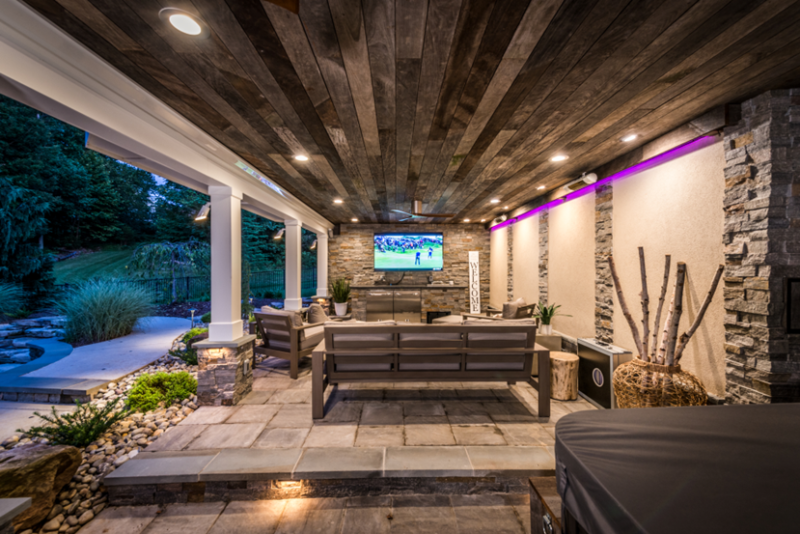
With proper waterproofing, the area beneath your deck can become a functional extension of your home, ideal for storage, outdoor kitchens, or even enclosed spaces like sunrooms.
Learn more at TrexRainEscape.com.


Latest posts by Canadian Home Trends (see all)
- The Rise of Indoor-Outdoor Living - October 11, 2026
- Backyard Style, Built Better - October 11, 2026
- Resort Living, Right at Home - October 11, 2026